
Introduction of TPE / TPR / SEBS
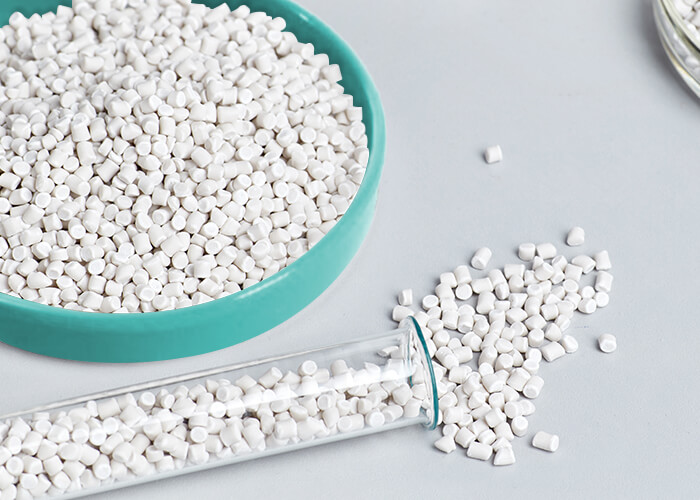
EVERLON® is a thermoplastic elastomer (TPE) that is formulated with a styrene-ethylene butylene-styrene (SEBS) base. This advanced material exhibits exceptional weather ability and demonstrates a high level of stability in heat-resistant applications, thanks to the hydrogenation reaction it undergoes. To help you distinguish between various elastomeric options for your designs, you can explore our comprehensive comprehensive TPE vs. TPR comparison guide to better understand their specific technical differences.
TPE/TPR, commonly referred to as thermoplastic elastomers or thermoplastic rubber, represents a departure from traditional rubber materials. Unlike conventional rubber, TPE/TPR offers a more streamlined and efficient processing approach. It eliminates the need for batch processing and can be seamlessly integrated into standard plastic processing methods such as injection molding, blow molding, and extrusion.
The versatility of TPE/TPR allows for a wide range of applications across various industries. Its compatibility with conventional plastic processing techniques provides manufacturers with increased flexibility and efficiency in production. By utilizing TPE/TPR, manufacturers can achieve enhanced design freedom and realize cost-effective manufacturing processes.
Additionally, TPE/TPR materials contribute to environmental sustainability. They are fully recyclable, enabling the development of new green materials derived from 100% recycled content. This eco-friendly attribute aligns with the growing demand for sustainable solutions and supports a circular economy approach.
With its excellent balance of properties, including elasticity, durability, and processability, EVERLON® TPE/TPR offers a compelling solution for manufacturers seeking innovative materials for their diverse range of applications.